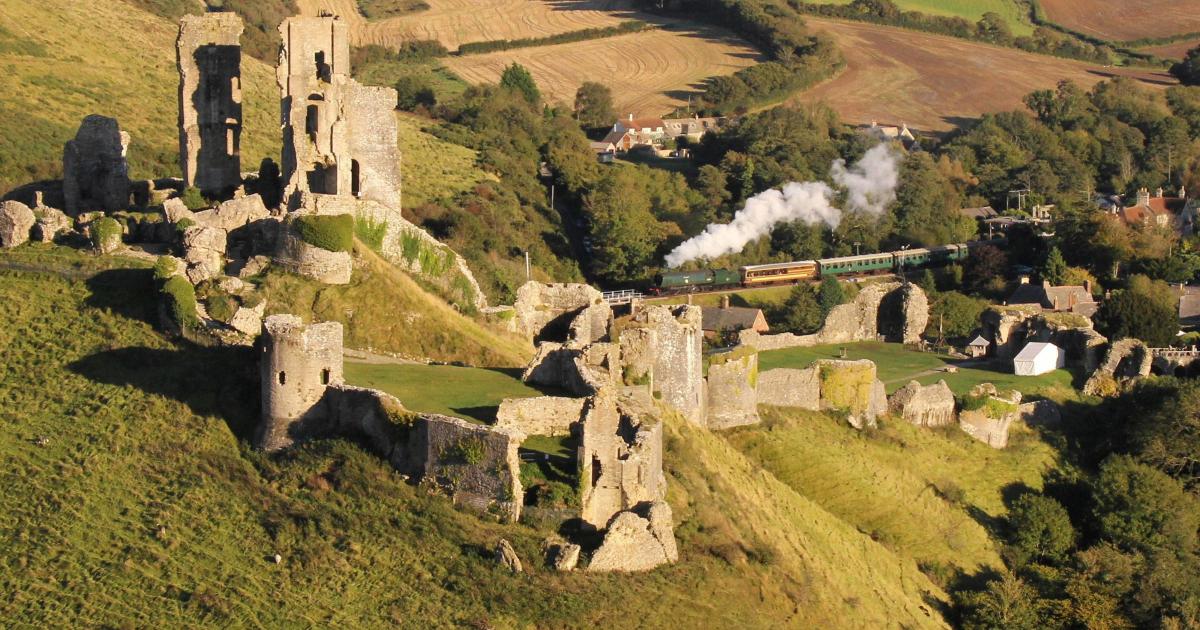


Steam Train Diaries, a four-part documentary series about Britain’s heritage railways, began broadcasting on 5 November 2025, with a 9pm premiere on More4 and all episodes available to stream free on Channel 4’s on-demand platform in the UK. The programme offers viewers an inside look at the day-to-day work of running and maintaining historic steam services, focusing on the people, machines and practices that keep these lines operating today. For anyone interested in trains, British history or rural travel, the series aims to explain how living museums of steam cope with technical demands and modern pressures without glossing over the practical realities.
The series is anchored in the North York Moors National Park, where presenter Paul ‘Piglet’ Middleton, a veteran railway engineer, leads the audience across well-known scenic routes. Episodes follow services between villages such as Grosmont and Goathland, showing both the public-facing side of heritage lines and the behind-the-scenes activity. In practical terms, viewers see the full cycle of running a steam service: preparing and firing up locomotives, stabling and maintenance, the signaller’s role in managing movements, and the assorted challenges that come with working on preserved infrastructure.
One of the opening episodes focuses on the task of bringing older locomotives back to life. The programme documents the process of firing up an 88-year-old engine to run on what the makers describe as Britain’s steepest heritage line. That sequence underlines the technical skills required to manage vintage boilers, stokers and controls, and it demonstrates the continuing relevance of hands-on engineering expertise. Steam Train Diaries does not present these tasks as mere nostalgia; it shows them as active, skillful work that demands knowledge passed down by volunteers and professionals alike.
Another recurring theme is adaptation. The series highlights a pioneering project to convert a full-size heritage engine from coal to oil. While the documentary does not turn the conversion into a polemic, it frames the change as an example of how heritage railways are responding to contemporary concerns and operating realities. Converting fuel systems on century-old machinery raises technical questions about safety, authenticity and environmental impact, and the programme illustrates some of the trade-offs that preservation groups consider when deciding how best to keep engines running in the 21st century.
Railway operations are a complex choreography, and Steam Train Diaries devotes time to the quieter but vital roles that make services possible. Viewers are taken into traditional signal boxes, where the interplay of levers and procedures still governs safe movement on single-track sections and passing loops. The show presents these duties matter-of-factly, conveying how a mixture of old equipment and modern practices can co-exist. It also introduces several personalities who do the work each day: drivers such as “Bungle,” engineers and volunteer crews whose practical knowledge keeps locomotives on the rails.
The production team behind the series, including producers Jo Haddock and Louis Bamber, uses a mix of storytelling and landscape footage to set scenes and explain processes. Cinematography shows the North York Moors and the line’s built environment — stations, signal boxes and workshops — but the narrative consistently returns to technique and procedure rather than sensationalising the past. The result is a programme that is pleasant to watch for its scenery but substantial for its content; sequences that might have been purely picturesque are used to explain how a steam timetable is managed, how maintenance is scheduled, or how volunteer organisations function.
That organisational side is important. Heritage railways are often run by charities and volunteer groups that depend on fundraising, paid staff and a network of technical experts. Steam Train Diaries touches on the community element without romanticising it: volunteers give time and expertise, but they also face practical constraints such as funding, regulatory requirements and the labour-intensity of maintaining steam. The series therefore serves as a current snapshot of how heritage lines operate — balancing preservation aims with the realities of modern safety standards, environmental considerations and visitor expectations.
For viewers unfamiliar with steam operations, the documentary works as an explainer. It breaks down basic concepts, such as what a stoker does, why boiler maintenance is vital, and how signalling used to work compared with today’s systems. At the same time, it provides enough detail to satisfy experienced enthusiasts who want to see the nuts and bolts of restoration projects or fuel conversions. The mix of approachable explanation and technical material is one of the programme’s strengths; it aims to inform as well as to entertain.
Accessibility is straightforward for UK audiences. After the More4 broadcast, Channel 4’s on-demand service carries the series at no extra cost, which makes it easy to catch up or watch individual episodes. That distribution model reflects a wider trend in factual television: using both scheduled broadcasts and streaming platforms to reach a broader audience. For people who live near heritage lines, the documentary might prompt a visit; for others, it offers a way to learn about an aspect of Britain’s transport history from home.
Steam Train Diaries also opens a window on how heritage railways respond to change. From tackling regulatory standards to experimenting with different fuels or managing a volunteer workforce, preserved lines are shown as active organisations adapting to present-day needs. The documentary avoids writing off preservation as purely backward-looking; instead, it presents a sector that mixes historical techniques with modern management and engineering approaches.
If you’re interested in seeing how steam survives and evolves in Britain, the series provides a compact, informed introduction. It combines practical demonstrations with human stories and technical explanation, all set against the familiar backdrops of the North York Moors and its small stations. The emphasis is on showing how skills are kept alive, how decisions are made, and what it takes to operate a heritage railway in current times.
If the subject matters to you, consider watching the first episode on More4 or streaming it via Channel 4’s on-demand platform. If you have friends or family who enjoy trains, history or engineering, sharing the series could be a good way to spark a conversation about the practical challenges of preserving transport heritage today and the different ways organisations adapt while keeping machines running.
Image credit blog.reelgood.com
Original source https://blog.reelgood.com/how-to-watch-steam-train-diaries-2025-in-the-us