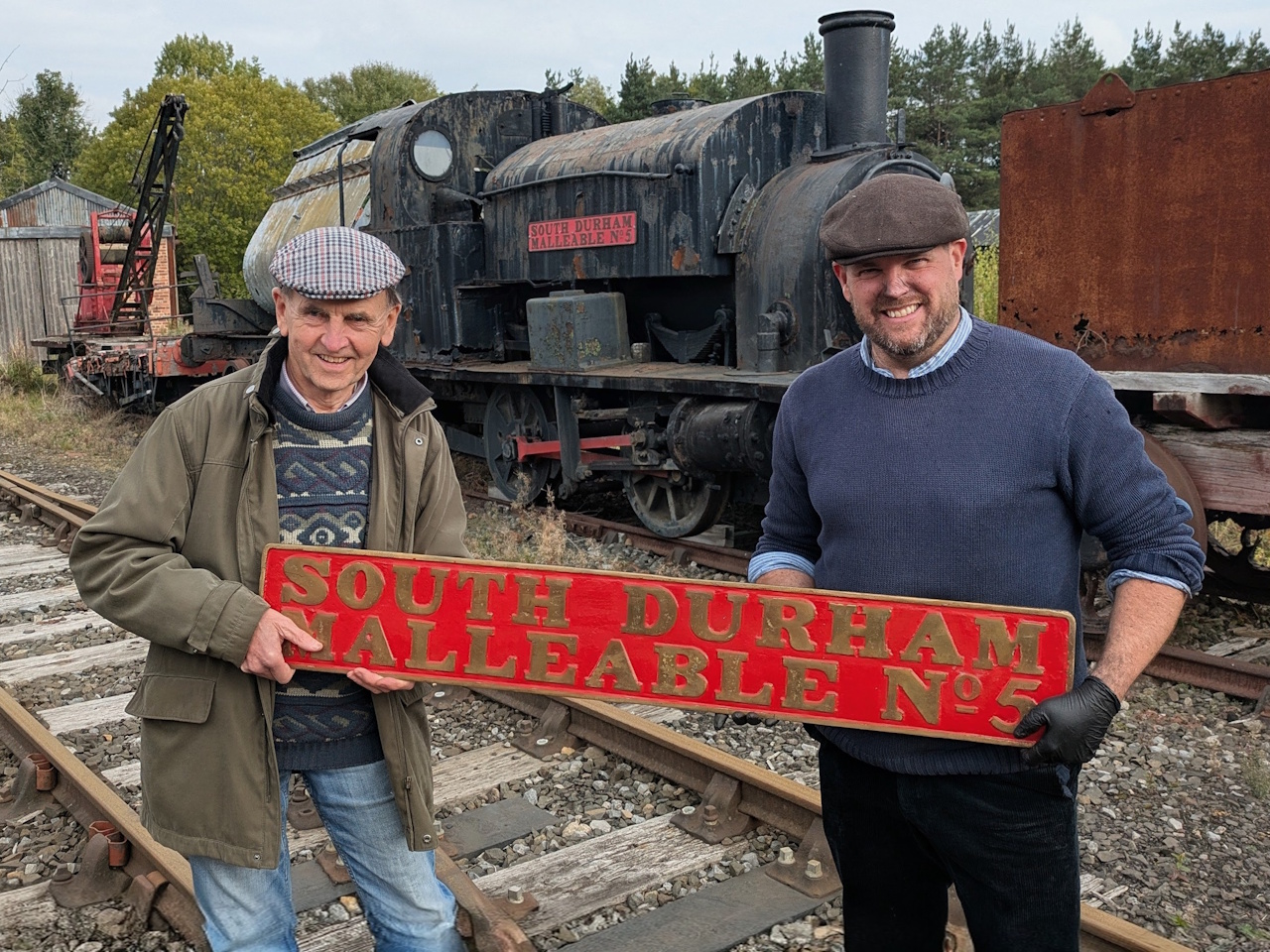
Beamish Museum has donated two historic steam locomotives to Tanfield Railway heritage railway, a move that will see the engines returned to regular steam service rather than remaining on static display. The transfer highlights an ongoing effort by museums and heritage lines to keep Britain’s railway history alive in a practical, public way. For anyone interested in steam, industrial history or hands-on heritage, the donation underlines how preservation can work beyond the museum wall.
Beamish, the open-air museum in County Durham, has long been a focal point for transport history. Its collections include working vehicles and trains, and it stages events such as the Festival of Transport that draw visitors keen to see vintage machinery in operation. The two locomotives now leaving Beamish have been part of that story; by moving to a heritage railway they will be steamed and demonstrated more often, giving visitors the chance to see – and hear – them working under real conditions.
Beamish’s decision to donate rather than retain these locomotives reflects a practical approach to stewardship. Museums often face limits on space, funding and specialist staff. Heritage railways, by contrast, are built around operating and maintaining historic trains: many are volunteer-led, have workshops, and run timetables that allow locomotives to be used regularly. By moving locomotives into that environment, museums can help ensure the machines are not only preserved but put to work educating and entertaining the public.
This is not an isolated example. Beamish has previously hosted and shown a number of well-known engines, such as Glyder, Samson and Sir Berkeley, during events when they have been steamed on site. Those occasions demonstrate how museums and heritage lines can collaborate, sharing expertise, facilities and audiences. For the receiving heritage railway, an incoming locomotive can be a boost: it expands the operating fleet, attracts visitors, and often becomes a centrepiece for special events. For Beamish, the donation helps the museum concentrate resources on its core displays while continuing to support the wider heritage sector.
Keeping steam locomotives in working order is labour-intensive and specialist work. Boilers and mechanical parts require regular maintenance and occasional overhaul; crews need training and certification; running a steam service involves careful planning around timetables, track condition and safety rules. Heritage railways have built that expertise over decades. They also provide opportunities for volunteers and apprentices to learn trades such as boiler-making, metalwork and locomotive engineering. In that way, a donated locomotive helps sustain a skills base that might otherwise be lost.
Beamish’s Festival of Transport and other events have been important in keeping attention on transport history and encouraging collaboration. They provide occasions when different organisations can display rolling stock, test operational arrangements and introduce the public to the skills involved in running historic vehicles. The museum’s role, therefore, is not only to keep artefacts but to act as a hub that connects collectors, volunteers, specialists and audiences.
Image credit www.railadvent.co.uk
Original source https://www.railadvent.co.uk/2025/10/beamish-donates-two-steam-locomotives-to-heritage-railway.html