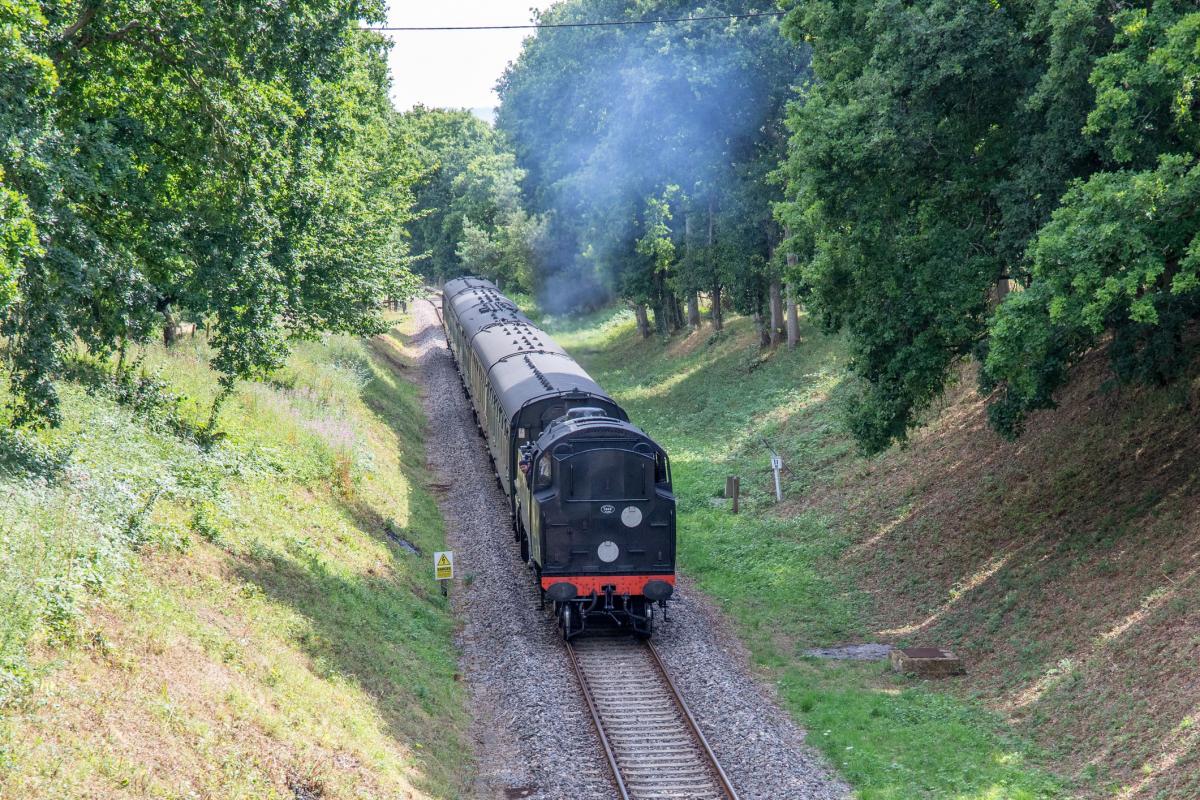
The Bluebell Railway in Sussex has been formally recognised as one of the UK’s best heritage railways, a distinction that underlines its appeal to both railway enthusiasts and families. Running steam and heritage diesel services through the Sussex countryside, the line offers an accessible taste of Britain’s railway past while serving as a working example of preservation in action.
The Bluebell Railway operates an 11-mile route between Sheffield Park and East Grinstead, stopping at intermediate stations including Horsted Keynes and Kingscote. Trains traverse countryside that includes the Imberhorne Viaduct and areas of rolling heathland near Ashdown Forest. Services are provided by a mix of steam locomotives and vintage diesel units, which means visitors can experience the sights, sounds and smells associated with historic rail travel as well as the more practical interest of preserved diesel operation.
The line has a significant place in preservation history. It was the nation’s first preserved standard-gauge steam-operated passenger railway, opening to the public in 1960 after the original line to Lewes closed. That early start helped establish a model for later preservation projects around the country and cemented the Bluebell’s reputation as a pioneer in the movement. Today it houses one of the largest collections of steam locomotives in the UK — second only to the National Railway Museum — with more than 30 engines and nearly 150 pre-1939 carriages and wagons. Much of this rolling stock has been restored and maintained by volunteers, a workforce whose skills range from metalwork and carpentry to historical research and customer service.
Visitors can plan a full day out on the Bluebell. Sheffield Park station offers a sense of Victorian-era station design, while the line’s route provides attractive views and notable features such as the Imberhorne Viaduct. The surrounding landscape includes parts of Ashdown Forest, an area often associated with the inspiration behind Winnie the Pooh’s Hundred Acre Wood, adding a familiar cultural link for many families. Beyond straightforward train rides, the railway stages special events, offers dining experiences onboard some services, and runs museum-style exhibits that explore the history of the line and the wider age of steam. Those elements combine entertainment with opportunities to learn about engineering, transport history and social life in different eras.
The recognition of the Bluebell Railway as one of the UK’s top heritage lines is not just a tourism boost; it also highlights the broader role heritage railways play across Britain. These lines conserve industrial and transport heritage that would otherwise be lost, while also providing living history experiences that engage visitors of all ages. They create educational opportunities for schools and community groups, preserve specialised skills, and contribute to local economies through tourism. The Bluebell’s scale of restoration work and its curated collection make it a leading example of how a heritage railway can function as both a museum and a functioning transport attraction.
Volunteers are a recurring theme in the Bluebell’s story. The preservation movement relies heavily on unpaid specialists and enthusiasts who donate time and expertise to keep locomotives moving, carriages repaired, stations maintained and museums open. That effort is technical as well as organisational: restoring steam locomotives involves long-term projects, adherence to safety standards and often large fundraising campaigns. While the Bluebell’s collection and its events attract visitors, much of the day-to-day work that makes those visits possible is carried out by volunteer teams supported by charitable funding and ticket revenue.
For anyone planning to visit, the Bluebell offers a range of experiences that suit different interests. Families can enjoy the straightforward pleasure of a steam-hauled trip through the countryside, while rail fans may appreciate the depth of the collection and the care taken in restoration. Museum exhibits provide context for the locomotives and stock on display, and special-event days or dining trains add variety for repeat visitors. Practical details such as timetables, ticketing options and event listings tend to change with the season, so prospective visitors should check the railway’s official information before making travel plans.
The award recognising the Bluebell Railway as a top heritage line cements its status as a must-visit attraction in Sussex. It reflects long-term work by staff, volunteers and supporters to preserve a significant slice of Britain’s railway heritage and to present it in ways that appeal to a wide audience. As with other heritage railways, the line shows how conservation and public engagement can operate together: preserving machinery and craftsmanship, offering educational experiences, and supporting local tourism.
If you have memories of the Bluebell Railway, a favourite locomotive, or tips for a first-time visit, consider sharing them with friends or in community groups that plan days out. Personal recommendations are often the best way to encourage others to discover heritage attractions, and photos or short accounts of a visit can help others decide when to go. The recognition now adds another reason to include the Bluebell on a list of places to see in the south of England, whether you go for the history, the scenery, or simply the experience of riding behind a steam engine.
Image credit www.theargus.co.uk
Original source https://www.theargus.co.uk/news/25406488.sussexs-bluebell-railway-named-one-uks-best/?ref=yahoo